
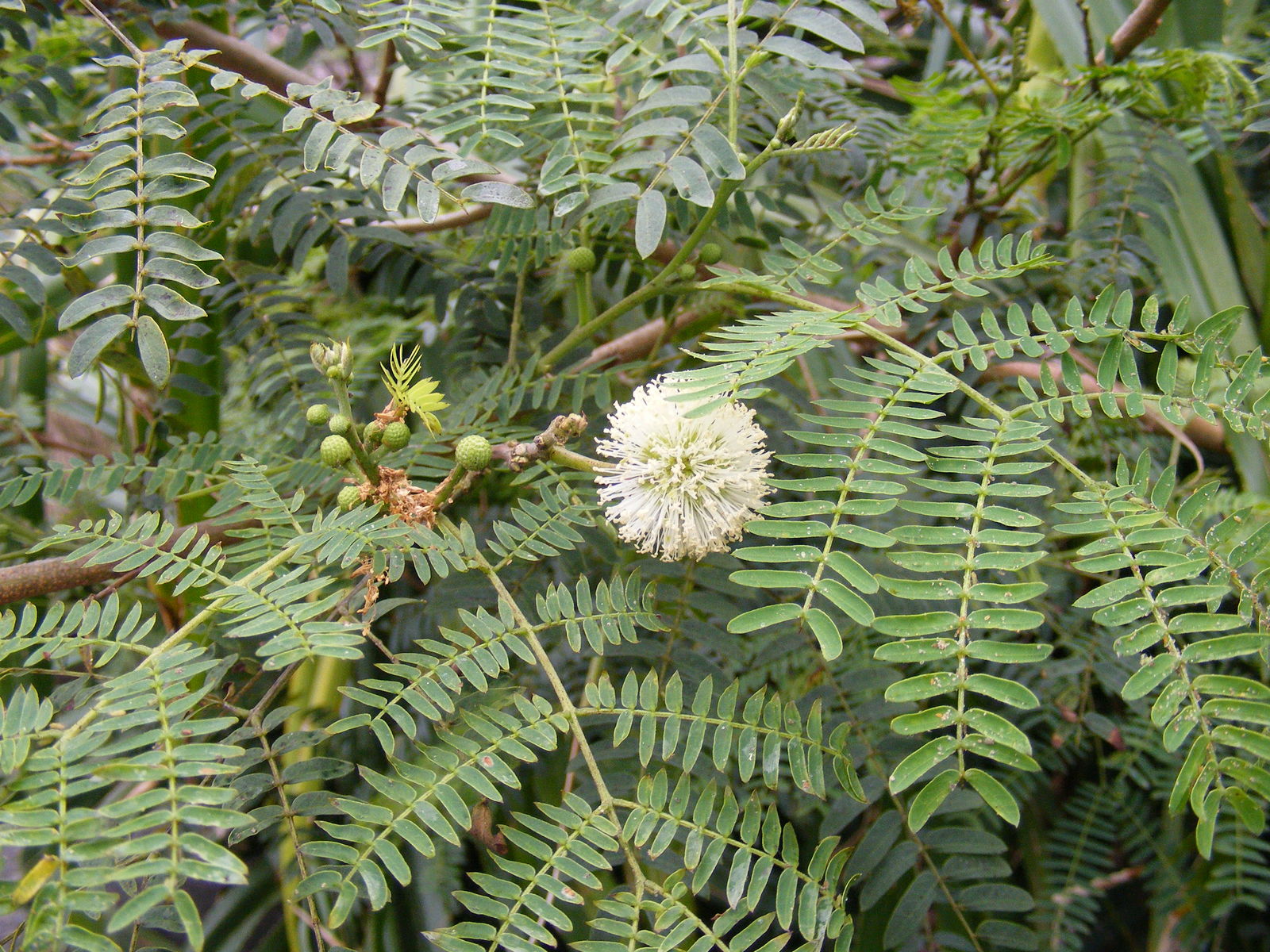
Researchers at the Kwame Nkrumah University of Science and Technology, Kumasi (KNUST) have identified beneficial soil microbes that help a common tropical tree remove toxic heavy metals from abandoned gold mine waste.
The study found that microorganisms living around the roots of Leucaena leucocephala commonly known as White leadtree work alongside the plant to help it survive in heavily contaminated mine tailings and absorb exceptionally high amounts of toxic metals from the soil.
Published in Frontiers in Microbiology, the research showed that the plant accumulated 14,605 milligrams of iron per kilogram in its shoots and 12,279 milligrams of manganese per kilogram in its roots by the end of the study, demonstrating its remarkable ability to remove heavy metals from contaminated soils.
Lead author Dr. Emmanuel Tetteh Doku, a doctoral graduate of KNUST's Department of Theoretical and Applied Biology, said Ghana's water and soil resources continue to face significant threats from heavy metal pollution caused by mine tailings, the waste left behind after mining activities.
"Conventional methods of treating mine tailings are destructive and very expensive. However, phytoremediation presents an ecologically friendly approach and a natural way of restoring mine tailings," he said.
The study was conducted in collaboration with Dr. Ebenezer Belford and Prof. Augustina Sylverken of KNUST's Department of Theoretical and Applied Biology.
To better understand the role of soil microbes in mine rehabilitation, the researchers cultivated Leucaena leucocephala under three conditions: garden soil, a mixture of garden soil and mine tailings, and pure mine tailings.
Over nine months, they monitored the plants, measured heavy metal accumulation using atomic absorption spectrophotometry, and analysed bacterial communities around the roots through advanced DNA sequencing.
The researchers observed substantial accumulation of heavy metals, particularly iron in the shoots and manganese in the roots, confirming the plant's strong phytoremediation potential.
They also found that while toxic conditions reduced the overall diversity of soil bacteria, several metal-tolerant bacterial groups thrived. Early proliferation of bacteria such as Streptomyces indicated their response to heavy metal stress and low nutrient levels.
The study further identified Gaiella and Arthrobacter as key bacterial groups closely associated with heavy metal accumulation in the plant's rhizosphere.
According to Dr. Doku, "the rhizosphere bacterial communities undergo a stress-specific assembly process that facilitates the exceptional phytoremediation properties of Leucaena leucocephala."
He added that the findings provide important insights into microbiome-enhanced strategies for the remediation of mine tailings, where naturally occurring soil microorganisms can be harnessed alongside plants to restore contaminated mining landscapes more effectively.
Story: Emmanuel Kwasi Debrah


